




Areas of Focus
Prosecutors and Judges
We hold powerful carceral system actors accountable for abuse and misconduct through an array of strategies, projects, and partnerships. Having built a network of community-based organizations, advocates, attorneys, and law professors, CRC’s accountability work exposes abuses, litigates on behalf of those most harmed, and supports communities in implementing these unique strategies for sustainable change.
One of the most obvious contradictions of the criminal legal system is that the power brokers of the system simultaneously demand punishment for alleged violations of law by disempowered poor people but apply no similar microscope and sledgehammer to their own, often much more consequential, transgressions. Though each state has its own system for regulating judges and attorneys, most courts and agencies only rarely issue any corrective action against judges or prosecutors, the two most powerful actors in the criminal legal system.
In this collaborative effort, we partner with advocates and scholars to prepare ethics complaints against prosecutors and judges. The complaints are not based on personal knowledge, but rather analyze, and draw conclusions from, a review of documents, such as court findings, transcripts, media reports, and/or lawyers’ affidavits.
The complaints call for thorough and transparent investigations into the alleged conduct and for the relevant agency or court to issue appropriate public discipline. Though the complaints are primarily directed toward an individual’s alleged misconduct, they also demand answers to the broader questions that many power brokers wish to avoid, such as whether it is actually institutional and systemic issues that are most responsible for the alleged misconduct.
Additionally, our work supports court watchers and organizers across the country to challenge judicial misconduct and build the infrastructure for a massive progressive shift in the composition of local judiciaries.
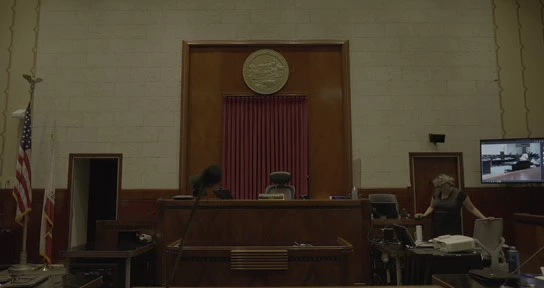
Fighting for Transparency in the Prosecutorial Misconduct Complaint Process in New York
Civil Rights Corps v. LaSalle. In response to the filing of the first Accountability NY complaints in 2021, NYC Corporate Counsel sent a letter to the Grievance Committees claiming that the professors had engaged in “misuse and indeed abuse of the grievance process” that “should not be countenanced.” In November 2021, we filed a federal lawsuit and won a big victory for transparency in June 2022, when the court granted our motion for partial summary judgment.
Holding Judges Accountable in San Mateo County
Civil Rights Corps worked with an amazing group of organizers at Silicon Valley De-Bug and law professor Lara Bazelon on an ethics complaint alleging judicial misconduct in San Mateo County, California. The complaint, citing court transcripts, court watchers’ observations, and local and statewide reports, was filed in August 2024, alleging that multiple judges and judicial […]
Accountability New York
Prosecutors are some of the most powerful lawyers and are only rarely held accountable for professional misconduct. In New York, journalists have documented dozens of court findings of prosecutorial misconduct with no consequence. The New York Times Editorial Board wrote in 2018, “there’s no reliable system for holding prosecutors accountable for their misconduct, and they certainly can’t be entrusted with policing themselves.”
Probation, Parole, and Corrections
There are more than 4.5 million people on government supervision in the U.S. – Probation, Parole and/or Corrections. The overbearing restrictions placed by these agencies creates obstacles to housing, employment, supportive services and family reunification, which in turn limits an individual’s access to necessary resources and support for sustainable independence.
Although originally pitched as a “reform,” probation and parole have become profound drivers of mass incarceration. The out-of-control probation and parole bureaucracy now accounts for 45% of all state prison admissions. Incredibly, 25% of people entering U.S. state prisons are sent there for violating a technical condition of supervision as opposed to a new criminal conviction. Civil Rights Corps challenges the rampant and lawless abuses of power that people under government supervision and surveillance are subjected to.
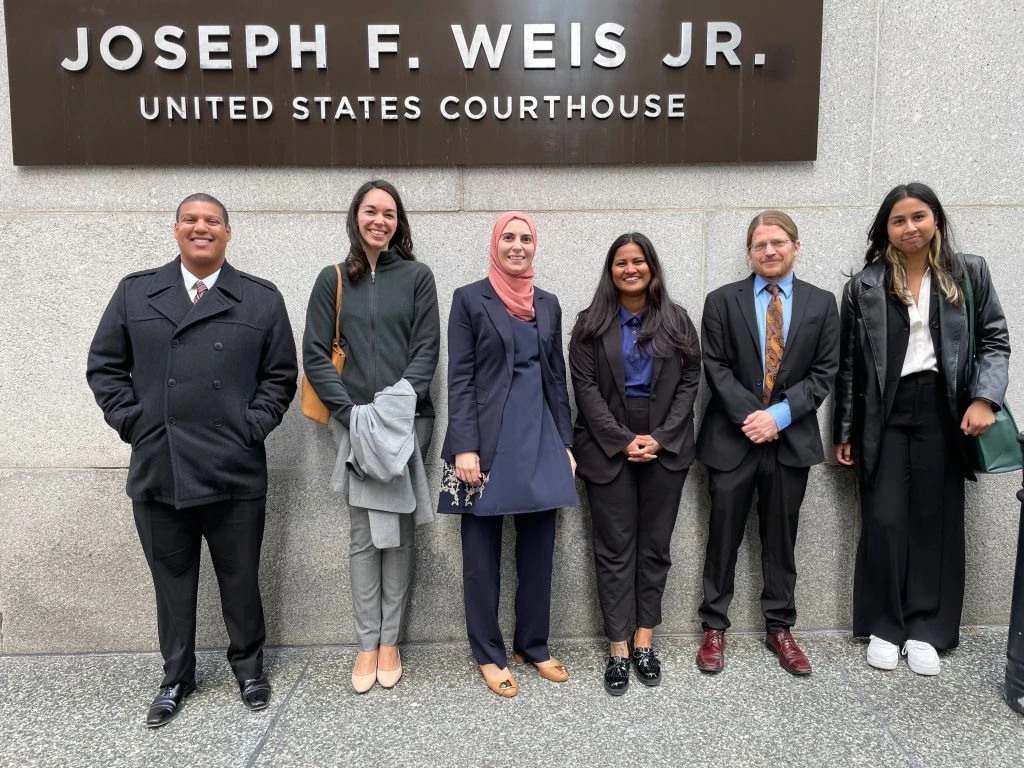
Challenging probation detainer practices in Allegheny County
Horton v. Rangos. In 2022, we filed a class action lawsuit on behalf of individuals detained at Allegheny County Jail against three Allegheny County judges, as well as other county, jail, and probation department officials.
Prosecutors and Judges
We hold powerful carceral system actors accountable for abuse and misconduct through an array of strategies, projects, and partnerships. Having built a network of community-based organizations, advocates, attorneys, and law professors, CRC’s accountability work exposes abuses, litigates on behalf of those most harmed, and supports communities in implementing these unique strategies for sustainable change.
One of the most obvious contradictions of the criminal legal system is that the power brokers of the system simultaneously demand punishment for alleged violations of law by disempowered poor people but apply no similar microscope and sledgehammer to their own, often much more consequential, transgressions. Though each state has its own system for regulating judges and attorneys, most courts and agencies only rarely issue any corrective action against judges or prosecutors, the two most powerful actors in the criminal legal system.
In this collaborative effort, we partner with advocates and scholars to prepare ethics complaints against prosecutors and judges. The complaints are not based on personal knowledge, but rather analyze, and draw conclusions from, a review of documents, such as court findings, transcripts, media reports, and/or lawyers’ affidavits.
The complaints call for thorough and transparent investigations into the alleged conduct and for the relevant agency or court to issue appropriate public discipline. Though the complaints are primarily directed toward an individual’s alleged misconduct, they also demand answers to the broader questions that many power brokers wish to avoid, such as whether it is actually institutional and systemic issues that are most responsible for the alleged misconduct.
Additionally, our work supports court watchers and organizers across the country to challenge judicial misconduct and build the infrastructure for a massive progressive shift in the composition of local judiciaries.
Fighting for Transparency in the Prosecutorial Misconduct Complaint Process in New York
Civil Rights Corps v. LaSalle. In response to the filing of the first Accountability NY complaints in 2021, NYC Corporate Counsel sent a letter to the Grievance Committees claiming that the professors had engaged in “misuse and indeed abuse of the grievance process” that “should not be countenanced.” In November 2021, we filed a federal lawsuit and won a big victory for transparency in June 2022, when the court granted our motion for partial summary judgment.
Holding Judges Accountable in San Mateo County
Civil Rights Corps worked with an amazing group of organizers at Silicon Valley De-Bug and law professor Lara Bazelon on an ethics complaint alleging judicial misconduct in San Mateo County, California. The complaint, citing court transcripts, court watchers’ observations, and local and statewide reports, was filed in August 2024, alleging that multiple judges and judicial […]
Accountability New York
Prosecutors are some of the most powerful lawyers and are only rarely held accountable for professional misconduct. In New York, journalists have documented dozens of court findings of prosecutorial misconduct with no consequence. The New York Times Editorial Board wrote in 2018, “there’s no reliable system for holding prosecutors accountable for their misconduct, and they certainly can’t be entrusted with policing themselves.”
Probation, Parole, and Corrections
There are more than 4.5 million people on government supervision in the U.S. – Probation, Parole and/or Corrections. The overbearing restrictions placed by these agencies creates obstacles to housing, employment, supportive services and family reunification, which in turn limits an individual’s access to necessary resources and support for sustainable independence.
Although originally pitched as a “reform,” probation and parole have become profound drivers of mass incarceration. The out-of-control probation and parole bureaucracy now accounts for 45% of all state prison admissions. Incredibly, 25% of people entering U.S. state prisons are sent there for violating a technical condition of supervision as opposed to a new criminal conviction. Civil Rights Corps challenges the rampant and lawless abuses of power that people under government supervision and surveillance are subjected to.
Challenging probation detainer practices in Allegheny County
Horton v. Rangos. In 2022, we filed a class action lawsuit on behalf of individuals detained at Allegheny County Jail against three Allegheny County judges, as well as other county, jail, and probation department officials.
Projects and Coalitions
We collaborate with aligned organizations and grassroots movements to develop strategies unique to issue areas and communities.